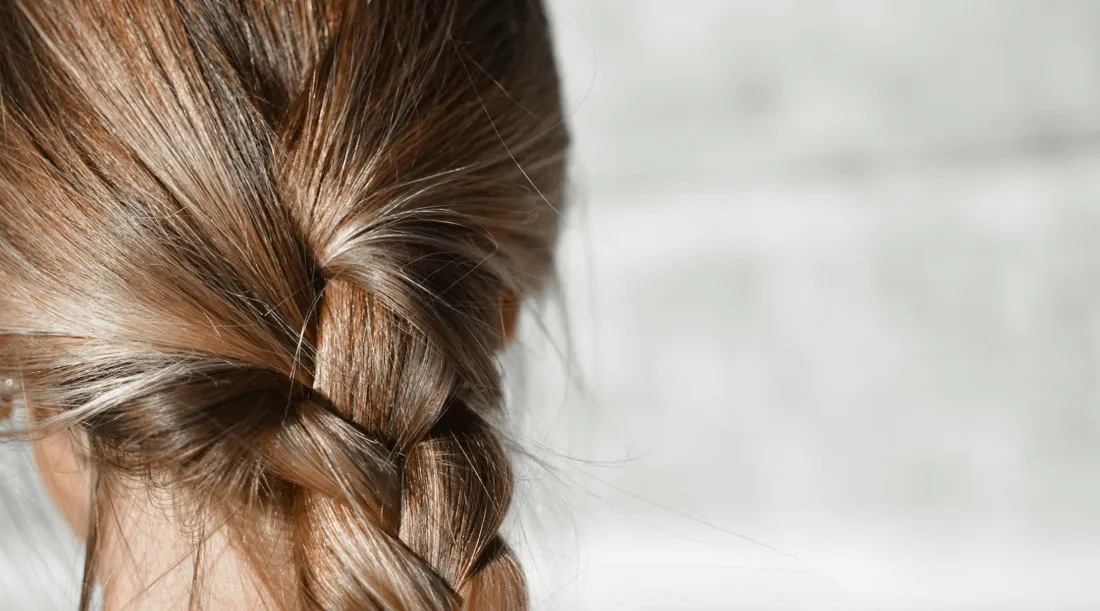
Growing your hair longer is usually less about chasing a shortcut and more about keeping the length you have feeling manageable. A cut that grows out well, gentler daily handling, and a clear plan for the ends can all make the process feel less frustrating. The goal is not perfect hair every day; it is a routine and shape you can live with while your length changes.
Begin with a growing-out shape
Growing out a cut does not have to mean leaving it untouched. A well-placed perimeter, a fringe plan, or a small adjustment to layers can help hair look intentional as it changes. For example, someone growing out a shorter layered cut may prefer to soften the outline and let selected areas catch up, rather than removing a large amount of length to make every layer match immediately.
Bring a few reference photos to the conversation, including pictures of lengths you like and your current hair in natural light. They help clarify whether the priority is keeping as much length as possible, creating a fuller-looking outline, reducing bulk, or making daily styling simpler. Texture, density, curl pattern, and color history all affect how a growing-out shape will behave.
Handle wet hair with patience
Hair is often more vulnerable to rough handling when it is wet. After washing, press or wrap out excess water with a soft towel or T-shirt instead of vigorous rubbing. Start detangling at the ends and work upward in small sections, rather than pulling a brush from roots to ends through a knot. If hair catches repeatedly, pause and separate the tangle with your fingers before continuing.
Choose a wash and conditioning approach that suits how your hair and scalp feel, rather than following a universal schedule. Keeping shampoo focused on the scalp and using conditioner where the lengths need slip can make the next detangling session easier. The best routine is one that leaves hair comfortable and is realistic to repeat.
Reduce repeated heat, not every style you enjoy
Hot tools can be part of a routine, but repeated high heat on the same sections can leave ends looking worn sooner. When using a blow-dryer, curling iron, or straightener, work in deliberate passes instead of going over one area again and again. A lower or medium setting and a heat-protection product used according to its directions are sensible places to start.
It can also help to identify the styling step that causes the most repetition. Perhaps the front pieces are re-curled each morning, or the ends are flat-ironed after every wash. Adjusting one habit, using an air-dried or lower-heat finish on some days, or accepting a little natural texture may be more sustainable than replacing an entire routine.
Choose low-tension ways to put hair up
Pulling hair tightly day after day can put stress on the same areas, especially around the hairline and where an elastic sits. For workouts, work, or warm days, vary the placement of a ponytail, bun, braid, or clip. Aim for styles that feel secure without needing to be cinched tightly, and take them down gently rather than tugging an elastic through the length.
Think of trims as shape maintenance
A trim does not change the rate at which hair grows from the scalp, and there is no one appointment interval that fits every person. It can, however, remove ends that look thin, rough, or visibly split and restore a shape that is easier to wear. Split ends cannot be permanently mended; when they are bothering you, removing the damaged portion is the dependable option.
The useful question is not simply, “How much needs to come off?” It is, “What can stay while the shape still works?” Tell Kim if you are protecting a particular milestone length, if your ends feel fragile, or if you would rather make a small refinement than a more noticeable reset. That makes the trade-off between keeping length and refreshing the finish clear before the cut begins.
Set a practical goal for the next stage
Longer hair is easier to enjoy when the next goal is specific: getting the front pieces past the jaw, keeping the ends full enough for a one-length look, or finding a routine that takes less time before work. Reassess the plan as your hair changes instead of treating the first decision as permanent. If you would like help mapping out the next shape, explore the haircut options and contact Kim about the length you hope to reach. You can send current-hair and inspiration photos by text.
Further reading
For general consumer guidance on gentler washing, detangling, heat, and hairstyles, the American Academy of Dermatology’s healthy-hair tips and its page on habits that can damage hair are useful references. They are general information, not a substitute for advice tailored to your individual concerns.